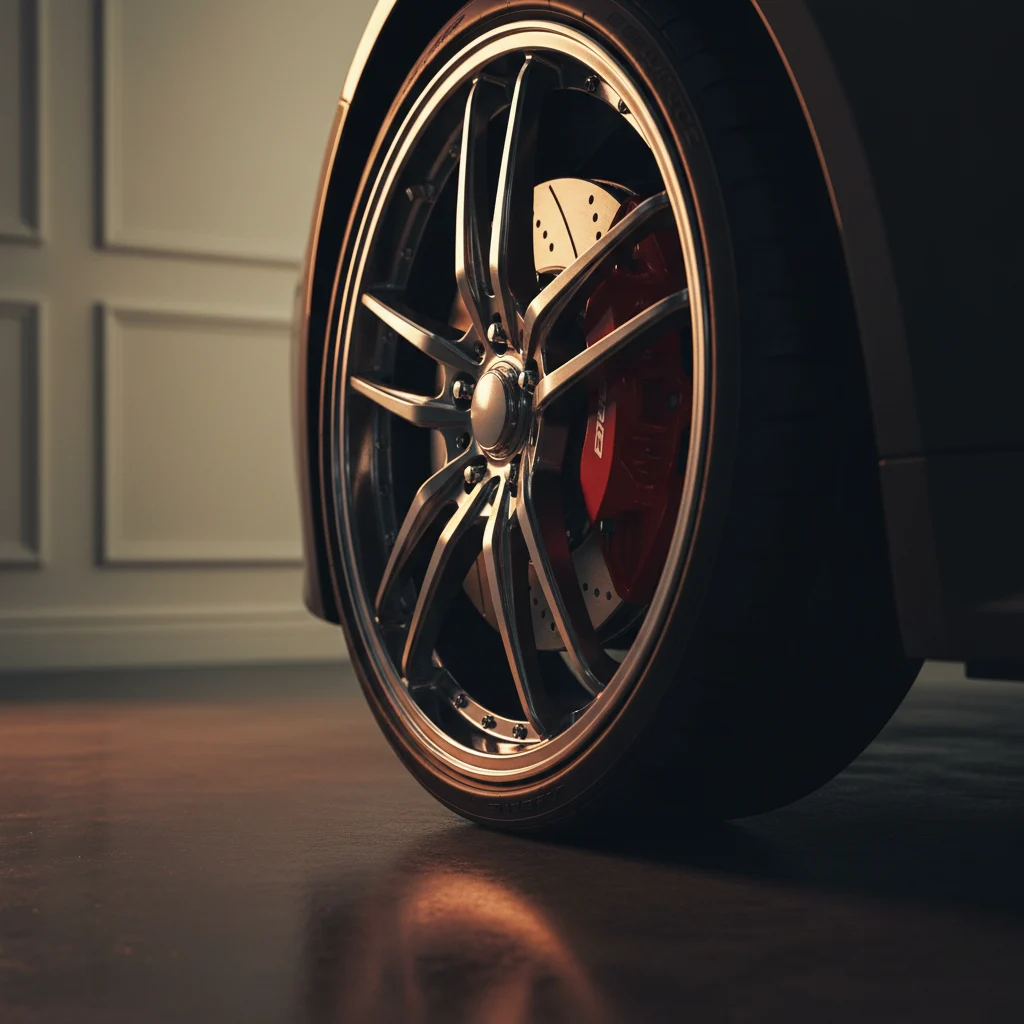
Brake Fluid Flush & Hydraulic Service in Gold River, CA
Moisture-contaminated fluid is invisible — until it fails you. 916 Auto Repair performs a complete hydraulic system exchange that restores full stopping power and protects your calipers, master cylinder, and ABS module from internal corrosion.
Gold River's Trusted Brake Fluid Specialists
Your braking system relies on hydraulic pressure — and that pressure is only as reliable as the fluid transmitting it. Brake fluid is hygroscopic, meaning it naturally absorbs moisture from the air over time. As water content rises, the fluid's boiling point drops, creating the risk of vapor lock exactly when you need your brakes most: during a hard stop or long downhill descent.
At 916 Auto Repair in Gold River, CA, we perform a complete brake fluid exchange — not a simple top-off — using a professional vacuum or pressure-bleeding system that removes every drop of degraded fluid from your lines, caliper bleed screws, and master cylinder reservoir. The result is a fully refreshed hydraulic circuit filled with fresh, high-specification DOT fluid rated for your vehicle.
Whether you drive a domestic truck, a European sedan with a strict 2-year fluid interval, or a hybrid with regenerative braking, our technicians match the exact DOT spec — DOT 3, DOT 4, or DOT 5.1 — to your manufacturer's requirement. We never guess, and we never mix grades.
Why a Brake Fluid Flush is Essential for Safety
Many drivers assume that as long as their brake pedal feels firm and the warning light stays off, the brake system is healthy. The reality is that fluid degradation is a chemical process that happens silently over months and years — with consequences that surface at the worst possible moment.
Moisture Lowers Boiling Point
Fresh DOT 4 fluid boils at 446°F dry. With just 3.7% water absorption, that drops to 311°F — well within reach of a heavily loaded braking event. Vapor bubbles in the line mean a spongy pedal and increased stopping distances.
Internal Corrosion Protection
Acidic, moisture-laden fluid attacks the metal walls of your ABS modulator, wheel cylinders, and calipers from the inside. Replacing a corroded ABS module runs $600–$1,200. A timely flush costs a fraction of that.
Firm, Responsive Pedal Feel
Air bubbles trapped in degraded fluid compress under pressure instead of transmitting it. A complete flush eliminates those voids, restoring the solid, immediate pedal response your vehicle had when new.
Correct Fluid Grade, Every Time
We verify the exact specification listed on your reservoir cap and in your owner's manual. DOT 3, DOT 4, and DOT 5.1 are not interchangeable. Using the wrong grade can swell seals or void your warranty.
Gold River sits in the Sacramento foothills where temperature swings between summer highs above 100°F and cool, damp winters. That thermal cycling accelerates moisture ingress into brake lines. Vehicles driven in this region often test at moisture saturation levels above 3% well before the standard 30,000-mile interval — which is why we test every vehicle before recommending service rather than defaulting to a mileage-only schedule.
The 916 Professional Exchange Process
A brake fluid flush is only as thorough as the equipment and technique behind it. At 916 Auto Repair we use a professional-grade pressure or vacuum bleeding system — not a gravity-bleed shortcut — to ensure that 100% of the old fluid is evacuated from the entire hydraulic circuit before fresh fluid enters.
- 1
Fluid Condition Test
We use a calibrated test strip to check copper content and a refractometer-style moisture meter to read water percentage. If your fluid tests below threshold, we document it and recommend no service — we will never upsell you on a flush you don't need.
- 2
Reservoir Inspection & Cap Seal Check
The master cylinder reservoir and its diaphragm cap are the primary moisture entry points. We inspect the cap seal for cracks and the reservoir bowl for sediment before beginning the exchange. A damaged cap means fluid will re-contaminate quickly.
- 3
Bleeder Valve Preparation
Bleeder screws that have never been opened can seize, making the job impossible without damaging the caliper. We apply penetrant, clean each valve, and verify free rotation before introducing pressure — preventing the broken-bleeder scenario that turns a simple service into a caliper replacement.
- 4
Full Pressure / Vacuum Exchange
Using our pressure bleeder or vacuum bleed station, we cycle fresh DOT fluid through all four corners of the vehicle — right rear, left rear, right front, left front — in the sequence specified for your ABS system. We continue until the fluid running from each bleeder is visually clear and tests clean.
- 5
System Fill & Pedal Verification
After the exchange, we fill the reservoir to the correct level and perform a static pedal test before the vehicle moves. The pedal must hold firm pressure without dropping. Any softness triggers a leak inspection of the lines, fittings, and caliper seals before we return your vehicle.
Old fluid is properly disposed.
Brake fluid is a hazardous waste — it cannot be poured down a drain or mixed with used motor oil. 916 Auto Repair uses a licensed waste-fluid collection service for all hydraulic fluid disposal. You can schedule your service knowing there's no environmental shortcut being taken.
What to Expect: Timing, Cost & Warranty
45–60 min
Typical service time, often completed while you wait or alongside an oil change
$100–$160
Flat service price includes premium DOT fluid, disposal, and post-flush pedal test
2-Year
Standard recommended interval — or sooner if test reveals elevated moisture or copper content
A brake fluid flush is one of the highest-value preventive maintenance items available for your vehicle. For the cost of a dinner out, you eliminate the primary cause of ABS module failure, caliper piston seizure, and brake hose deterioration — components that collectively can cost $1,500 or more to replace on a modern vehicle with electronic braking aids.
We recommend scheduling the service as part of your 30,000-mile maintenance visit or anytime you bring the vehicle in for brake pad inspection. It adds minimal time to the appointment and leaves the hydraulic side of your braking system fully renewed.
Related Brake Services
What Gold River Drivers Say About 916 Auto Repair
Hundreds of Sacramento-area drivers trust us with their brakes — here's what they have to say.
"Great price. I will definitely keep coming back for all of my mechanic needs. The owner is honest, kind, and knowledgeable."

Mac Cronin
Recent
"Reasonable price. They were really friendly and really patient regarding my engine troubles. They gave me a quote and helped me find a way to pay. They are the best."

Nichole Rubes
Recent
"I had a great experience at this auto repair shop. They replaced the battery in my BMW quickly and professionally."

Galina Gappoev
Recent
"Great price. The owner and crew were very helpful and hospitable. Went above and beyond. Really affordable prices."

Aleksey Kaznacheyev
Recent
"Reasonable price. They were able to get me in same day and look at my brakes for no charge. They explained clearly what was wrong."

Alex Beskeen
Recent
"Mr. Warren gives 916 Auto raving reviews for their professionalism."

Dr. Roxanne Sanders
Recent
Brake Fluid Flush — Frequently Asked Questions
Answers to the most common questions we hear from Gold River and Sacramento-area drivers.
1How often should I flush my brake fluid?
For most vehicles, every 2 years or 30,000 miles — whichever comes first. European manufacturers like BMW, Mercedes, and Audi mandate a strict 2-year cycle regardless of mileage, because they use DOT 4 fluid that absorbs moisture faster. Gold River's hot summers and damp winters accelerate that process even further, so we test every vehicle rather than defaulting to the odometer alone. If the moisture reading exceeds 3%, we'll recommend service regardless of your mileage.
2What are the symptoms of old brake fluid?
The most common sign is a spongy or soft brake pedal — the kind where your foot travels further before the brakes engage. You may also notice increased stopping distances, especially on a long downhill stretch, or brake fade during repeated hard stops. Checking the reservoir is another clue: fresh fluid is nearly clear or pale yellow; old fluid turns dark amber or tea-colored from heat degradation and oxidation. By the time you notice any of these symptoms, the fluid has usually been compromised for quite a while.
3How much does a brake fluid flush cost?
At 916 Auto Repair, a brake fluid flush typically runs $100 to $160 depending on your vehicle and the DOT fluid grade required. That price includes the premium fluid, proper hazardous-waste disposal, bleeder valve service, and a post-flush pedal test. For context, replacing an ABS module that corroded from neglected fluid can cost $600 to $1,200 or more — making the flush one of the highest return-on-investment maintenance items available for your braking system.
4Can I just top off my brake fluid?
Topping off is not a substitute for a flush, and it can actually mask a more serious problem. A low reservoir level usually means one of two things: your brake pads have worn down (normal — the caliper pistons extend further, drawing fluid from the reservoir) or you have a leak somewhere in the system. Simply adding fluid does nothing to remove the moisture already trapped throughout the lines, and if there's a leak, it puts you at risk of brake failure. Bring it in and we'll test the fluid and inspect the system before recommending any service.
5What is the difference between DOT 3 and DOT 4?
The key difference is boiling point. DOT 3 has a dry boiling point of 401°F, while DOT 4 reaches 446°F — giving it more headroom before vapor lock under aggressive braking. DOT 4 is standard on most European vehicles and many modern domestic cars with ABS and stability control. DOT 5.1 is a glycol-based high-performance fluid used in some sport and performance applications. The right choice is whatever is printed on your reservoir cap and specified in your owner's manual. Mixing grades is generally discouraged — it can lower performance or swell rubber seals — and we never do it.
6Does brake fluid damage car paint?
Yes — brake fluid is highly corrosive to automotive paint and will strip clearcoat on contact if not immediately cleaned. It's one of the reasons this service should be performed by a professional with proper equipment. At 916 Auto Repair, our technicians lay fender covers before opening the reservoir and handle all bleeder screw work carefully to prevent spills on body panels. If any fluid does contact paint during service, we neutralize and clean it immediately.
7How long does the service take?
A brake fluid flush typically takes 45 minutes to 1 hour when performed on its own. If you're combining it with an oil change, brake pad inspection, or other scheduled maintenance, we can usually fold it into the same visit with minimal extra time. We'll give you a realistic estimate when you drop off — no surprises.
8Is a brake flush necessary if my brakes feel fine?
Yes, and this is the most important thing to understand about brake fluid maintenance: it's a chemical service, not a mechanical one. The degradation happens inside the lines where you can't see or feel it. By the time the pedal goes spongy or stopping distances increase, moisture has already been corroding your ABS modulator and caliper internals for months. Waiting until something feels wrong often means paying for a component replacement that a timely flush would have prevented. We test the fluid so you don't have to guess.
Still have questions?
We're here to help you find the answers.
Ready to Protect Your Hydraulic System?
Schedule a brake fluid test and exchange at 916 Auto Repair in Gold River. Same-week appointments available — call or book online.
Visit 916 Auto Repair in Gold River
Serving Gold River, Rancho Cordova, Folsom, and the greater Sacramento area
Hours
Monday – Saturday: 8:00 AM – 5:00 PM
Sunday: Closed