5.0 Rated • 150+ Reviews

Radiator & Cooling System Repair in Gold River, CA

Sacramento summers push your engine to the limit. Our ASE-trained technicians diagnose and repair cooling systems for all makes — domestic and European — with most jobs completed the same day.

Free Estimates
Same Day Service
Licensed & Insured
Cooling System Specialists

Your Engine's Temperature Defense Against Sacramento Heat

Gold River summers regularly push ambient temperatures past 100°F. Your vehicle's cooling system is working overtime every time you turn the key between June and September. A small coolant leak, a sluggish thermostat, or a radiator clogged with scale can escalate from an inconvenience to a seized engine in a matter of miles. At our independent shop, we treat cooling system work as preventive medicine — catch it early, fix it right, and protect the engine you depend on.

As a locally owned auto repair shop serving Gold River and the greater Sacramento corridor, we provide dealership-level diagnostics without dealership pricing. We invest in factory-grade pressure testers, OEM-matched coolant chemistry, and the experience to read subtle failure signs before they become catastrophic ones.

Beat the Sacramento Heat with Expert Cooling Service

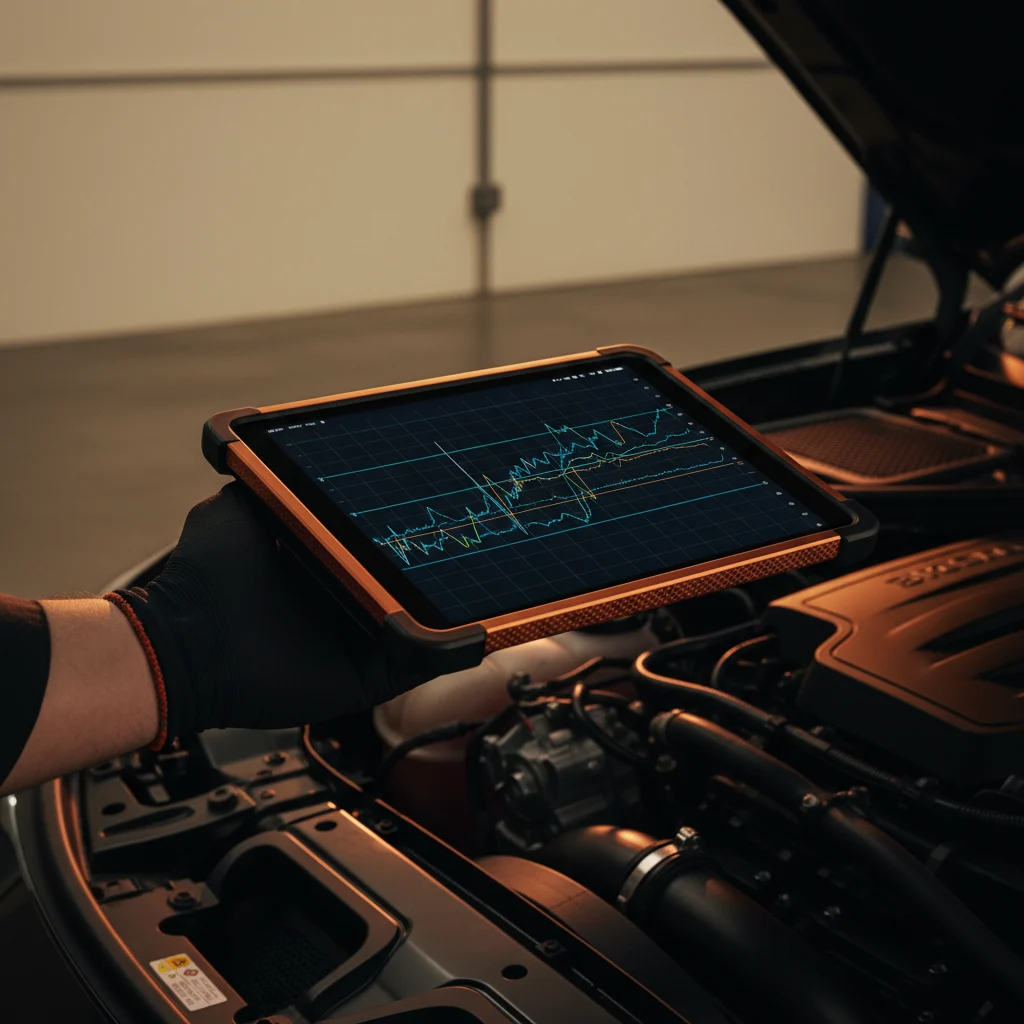
The Sacramento Valley's climate is uniquely hard on cooling systems. Stop-and-go traffic on Highway 50 and Folsom Boulevard, combined with triple-digit heat, creates conditions that stress every component from the radiator cap to the overflow reservoir. Our technicians use a systematic approach that starts with a full system pressure test before any part is replaced — because the symptom you see (low coolant level) is rarely the whole story.

  • Comprehensive pressure testing to identify hairline cracks in radiators and hoses.
  • Expert replacement of water pumps, thermostats, and cooling fans.
  • Coolant flushes to remove scale and prevent internal engine corrosion.
  • Specialized service for BMW and Audi plastic-housing cooling systems known for high failure rates.

Pressure testing is non-negotiable in our workflow. A system that holds 15 PSI without drop has integrity; one that bleeds even half a pound in five minutes has a path for coolant to escape. We trace that path — whether it's a pinhole in a radiator seam, a swollen lower hose, or a weeping water pump gasket — and fix the source rather than top off the reservoir and send you on your way.

European vehicles require particular attention here. BMW N-series and Audi TFSI engines use plastic thermostat housings and expansion tanks that become brittle over time and heat-cycle thousands of miles. We stock common failure parts for these platforms and carry the BMW-approved coolant chemistry (blue or green, never mixed) to keep the metallurgy safe.

Common Cooling System Failures We Fix

Cooling system failures rarely announce themselves loudly until it's too late. A temperature gauge that climbs slightly higher than usual, a faint sweet smell through the vents, or a puddle of greenish liquid under your car overnight — these are the early signals that most drivers dismiss. We see the downstream consequences daily. Here are the most common failures we diagnose and repair for Gold River drivers:

  • Repair of leaking radiator cores and damaged plastic tanks.
  • Diagnosis of overheating issues during Gold River's summer peak.
  • Replacement of worn serpentine belts and tensioners that drive the water pump.
  • Heater core inspections to ensure cabin comfort and defrost functionality.

Radiator Core & Tank Repair

Modern radiators combine aluminum cores with plastic end tanks. The plastic becomes brittle after a decade and develops hairline cracks at the seams — often invisible until pressure builds. We perform a dye-assisted leak test to pinpoint exact failure locations before recommending repair vs. full replacement. When replacement is needed, we source OEM-equivalent cores that match your vehicle's cooling capacity rating, not generic undersized units.

Overheating Diagnosis

Summer overheating has multiple root causes that need to be ruled out in sequence: coolant level and condition, thermostat opening temperature, radiator cap pressure rating, cooling fan engagement speed and temperature threshold, and head gasket integrity. We run through this diagnostic matrix in order rather than throwing parts at the problem. A stuck-open thermostat wastes money on a water pump; a stuck-closed one destroys an otherwise healthy engine.

Serpentine Belt & Water Pump

Your water pump is driven by either the serpentine belt or the timing belt/chain depending on the engine. When we perform a timing belt service, we always recommend replacing the water pump at the same time — the labor is already done and a failing pump shortly after is a painful double bill. For serpentine-driven pumps, we inspect the bearing play and weep hole on every oil change, catching failures months before they leave you stranded.

Heater Core Service

A leaking heater core fills your cabin with the sweet smell of ethylene glycol and fogs your windshield from the inside — a serious visibility hazard. Heater core replacement is labor-intensive (the dashboard often needs partial removal), but we quote the job transparently with no hidden time charges. While we're in there, we also inspect the blend door actuator and blower motor to avoid a callback.

Every cooling system repair we perform includes a post-repair road test and a final pressure hold to confirm the fix held under operating conditions. We won't hand your keys back until the temperature gauge is stable and we've verified there are no residual air pockets in the system — a common cause of post-repair overheating that's easily avoided with a proper bleed procedure.

Why Choose an Independent Shop for Cooling System Work?

Dealerships charge flat-rate labor that often exceeds two hours for jobs our experienced techs complete in ninety minutes. Beyond the time efficiency, independent shops can source parts from multiple suppliers — OEM, OE-equivalent, and quality aftermarket — and recommend the right tier for your vehicle's age, mileage, and your plans for it. A 2016 BMW with 40,000 miles gets OEM parts. A 2009 Honda Odyssey with 180,000 miles gets quality aftermarket with a two-year warranty and a lower repair bill.

We also don't work on commission-based service recommendations. Our techs are paid by the hour, not by upsell rate. When we tell you the radiator needs replacement, it's because the pressure test says so — not because our service advisor hit quota.

Testimonials

What Gold River Drivers Say

Real feedback from Sacramento-area customers who trusted us with their cooling system repairs.

5.0from 6 reviews
G

"Great price. I will definitely keep coming back for all of my mechanic needs. The owner is honest, kind, and knowledgeable."

Mac Cronin avatar

Mac Cronin

Recent

G

"Reasonable price. They were really friendly and really patient regarding my engine troubles. They gave me a quote and helped me find a way to pay. They are the best."

Nichole Rubes avatar

Nichole Rubes

Recent

G

"I had a great experience at this auto repair shop. They replaced the battery in my BMW quickly and professionally."

Galina Gappoev avatar

Galina Gappoev

Recent

G

"Great price. The owner and crew were very helpful and hospitable. Went above and beyond. Really affordable prices."

Aleksey Kaznacheyev avatar

Aleksey Kaznacheyev

Recent

G

"Reasonable price. They were able to get me in same day and look at my brakes for no charge. They explained clearly what was wrong."

Alex Beskeen avatar

Alex Beskeen

Recent

G

"Mr. Warren gives 916 Auto raving reviews for their professionalism."

Dr. Roxanne Sanders avatar

Dr. Roxanne Sanders

Recent

Read more reviews on:
FAQ

Cooling System Repair — Frequently Asked Questions

Answers to the questions Gold River drivers ask most before booking a cooling system service.

1

Radiator repair costs in Gold River typically range from $400 to $900, depending on your vehicle make, model, and the specific failure. A simple hose replacement or radiator cap swap sits at the low end; a full radiator core replacement on a European vehicle with an integrated transmission cooler can reach the higher end. We always start with a diagnostic pressure test so we quote you the actual repair needed — not a best-guess estimate. Independent shops like ours consistently run 20–30% below dealer flat-rate labor on cooling work.

2

Sacramento summers regularly push ambient temperatures past 105°F, which dramatically reduces your cooling system's safety margin. The most common causes we find are low or degraded coolant, a thermostat stuck closed (preventing hot coolant from reaching the radiator), a radiator fan that isn't engaging at the correct temperature threshold, or a clogged radiator core from years of scale buildup. Less common but serious: a blown head gasket that allows combustion gases into the coolant circuit. We run a systematic diagnostic — coolant level and condition, pressure hold, fan test, thermostat behavior, combustion gas test — before recommending any parts.

3

Most manufacturers recommend a cooling system flush every 30,000 to 50,000 miles, or approximately every three to five years — whichever comes first. The specific interval varies by coolant type: older green antifreeze degrades faster than modern OAT (orange) or HOAT (pink/yellow) long-life coolants. Regardless of mileage, if your coolant appears brown, has visible debris floating in it, or tests below the proper freeze/boil protection range on a refractometer, it's time for a flush. We include a coolant condition check as part of our standard oil-change inspection.

4

Yes — and the damage can escalate faster than most drivers expect. Even a small, slow coolant leak lowers the system's total volume, which reduces its ability to absorb and dissipate heat. Once the coolant level drops far enough, the thermostat loses the fluid medium it needs to regulate properly, and engine temperatures spike. Sustained overheating can warp aluminum cylinder heads, blow head gaskets, and in severe cases cause scored cylinder walls or a cracked block — repairs that cost four to ten times more than the original leak. If you notice any coolant smell, a rising temperature gauge, or a puddle under your car, bring it in before the next drive if possible.

5

Yes. European vehicles — BMW, Audi, Mercedes, Volkswagen — use engine alloys and seals that are calibrated for specific coolant chemistry. BMW blue (HT-12) and Audi/VW G13 violet coolant are not interchangeable with generic green antifreeze; mixing them degrades the corrosion inhibitor package and can cause gel formation that clogs the heater core and water pump passages. We stock manufacturer-specified fluids and never mix chemistry types. When we perform a flush, we also neutralize any residual old coolant before refilling to prevent cross-contamination.

6

The three most common warning signs of a failing water pump are: a coolant leak originating from the weep hole at the front of the engine (often a small greenish stain on the block below the pump body), a whining or grinding noise from the front of the engine that changes with RPM, and a rising temperature gauge under load. Some water pump failures are silent — the impeller corrodes and stops moving coolant effectively without any external leak. We inspect water pump bearing play and weep hole condition at every service and particularly recommend replacement when timing belt work is being performed, since the labor is already absorbed.

7

Most radiator replacements are completed same-day and take between three and five hours of shop time, including the drain, flush, installation, refill, and post-repair pressure test and road test. Some domestic trucks and full-size SUVs with tight engine compartments can run slightly longer. European vehicles with integrated coolers (transmission, power steering, or intercooler lines routed through the radiator end tanks) also add time. We'll give you a firm time estimate when you drop off and can typically provide a loaner or shuttle within the Gold River and Rancho Cordova area for longer jobs.

8

A coolant leak by itself does not trigger a California smog failure — the emissions test checks for combustion byproducts in the exhaust, not coolant loss. However, if the leak is severe enough to cause sustained overheating, the elevated engine temperature can cause the catalytic converter to overheat and degrade, which will eventually cause a failed catalyst code (P0420/P0430). Additionally, coolant burning through a head gasket breach will produce white smoke and can foul oxygen sensors. Bottom line: fix the leak to protect the engine and avoid the downstream emissions consequences, not because the leak itself is a failure point.

Still have questions?

We're here to help you find the answers.

Contact Us
Available Now

Don't Let Sacramento Heat Destroy Your Engine

Same-day cooling system inspections available. Most repairs completed while you wait. Call now or book online.

Free Estimates
Same Day Service
Licensed & Insured

Serving Gold River & the Sacramento Corridor

Conveniently located for Gold River, Rancho Cordova, and Folsom drivers. Same-day appointments available Monday–Saturday.

Address

11251 Coloma Rd suite C

Gold River, CA 95670

Get Directions

Hours

Monday – Saturday: 8:00 AM – 5:00 PM

Sunday: Closed

Contact

(916) 969-0105

Call or text for appointments

Request a Quote
Call Now
Get Free Quote