


Field Communication
Project updates are framed around site status, not vague progress language. Owners know what changed, what remains open, and what Atlas needs from them to keep work moving.
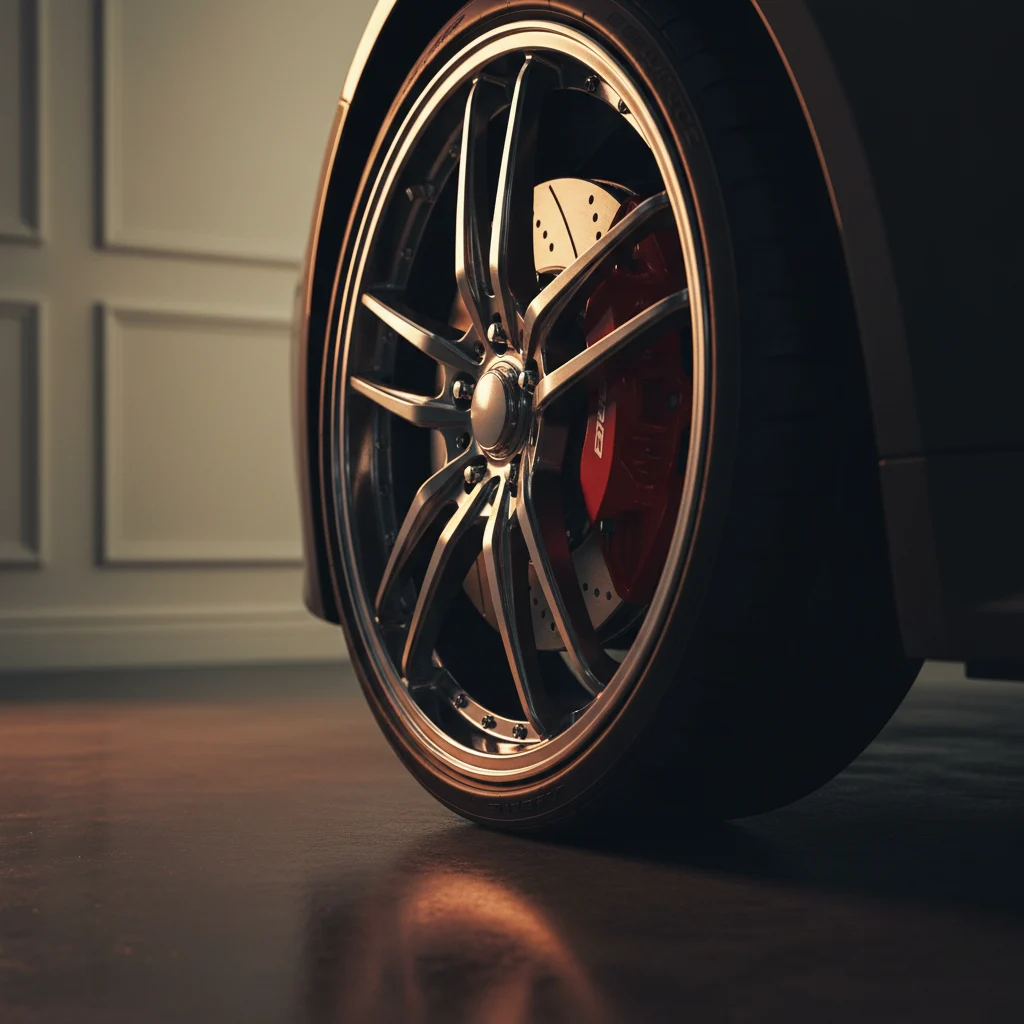
Restore ride comfort and handling safety with professional suspension service. Serving Gold River, Folsom, Fair Oaks, and the greater Sacramento area.
Your vehicle's shocks and struts do more than smooth out bumps — they are the foundation of safe steering, braking, and tire contact. When these components wear out, every pothole on Madison Avenue or freeway lane change becomes a stability risk. Our ASE-trained technicians use precision diagnostic equipment to identify worn dampers and replace them with premium parts matched to your vehicle's specifications.
We treat every suspension job as a full-system evaluation, not just a parts swap. Before any component comes off the car, we perform a complete undercar inspection — checking strut towers, mounting hardware, bump stops, upper mounts, and coil springs for wear, corrosion, or damage that could undermine the new parts. This thoroughness is what separates a lasting repair from one that returns within a year.
Our shop stocks a range of quality tiers so you can match your budget and performance expectations. Whether you drive a daily-commuter sedan, a family SUV tackling Gold River subdivision roads, or a performance vehicle demanding tight handling, we carry the right parts for your specific application.
Every strut replacement in our shop includes a complimentary suspension inspection report. After installation, your technician will walk you through the findings, explain what was replaced and why, and recommend any additional items — such as an alignment or tie rod inspection — so you leave with full visibility into your vehicle's condition, not just a receipt.
Suspension wear happens gradually, which means drivers often adapt to worsening handling without realizing how far the vehicle has deteriorated. Here are the most common warning signs that it's time for a professional inspection. If you recognize any of these on your daily drive around Gold River or your commute on US-50, don't wait — worn suspension compounds risk with every mile.
One symptom that Gold River and Folsom drivers often overlook is increased stopping distance. When shocks are worn, the vehicle nose-dives during braking, lifting weight off the rear tires and reducing their braking contribution. Independent testing consistently shows that vehicles with worn dampers can take 20% or more additional distance to stop from highway speeds — a difference that matters when the car ahead of you stops suddenly on Hazel Avenue.
Another commonly ignored sign is vibration felt through the steering wheel at highway speeds. While this can indicate a tire balance issue, it can also signal that your struts are no longer damping the road surface effectively. Our diagnostic process distinguishes between these causes quickly, so you get the right fix the first time.
Suspension work requires precision. A strut that's installed with improper torque or without verifying alignment specs will create new problems within months. Our technicians follow manufacturer service procedures for every vehicle — whether it's a Honda Accord, a Ford F-150, or a BMW 5 Series with electronic adaptive dampers. We invest in the equipment and training to do the job right.
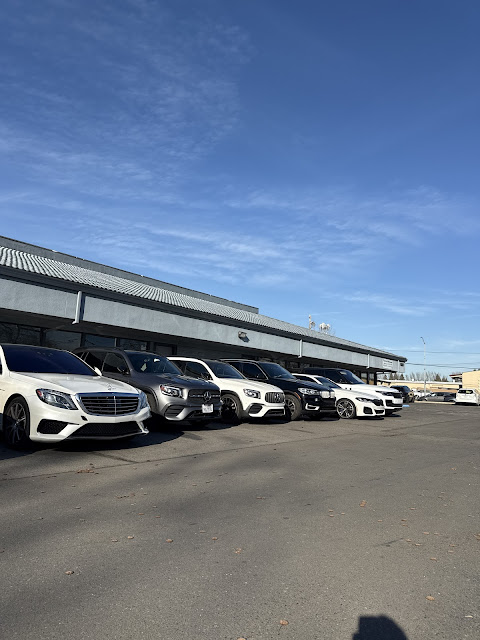
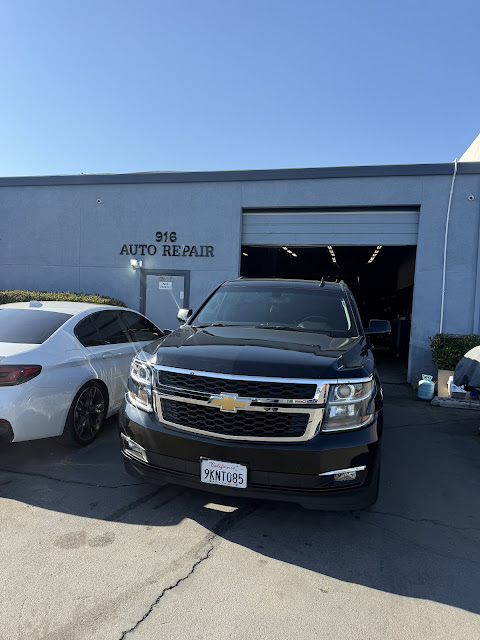
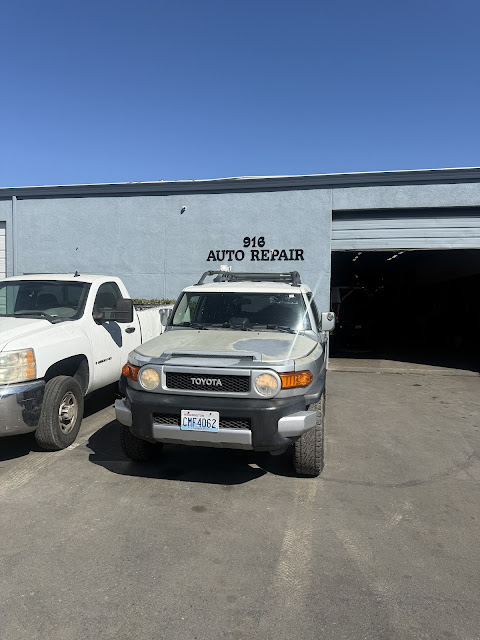
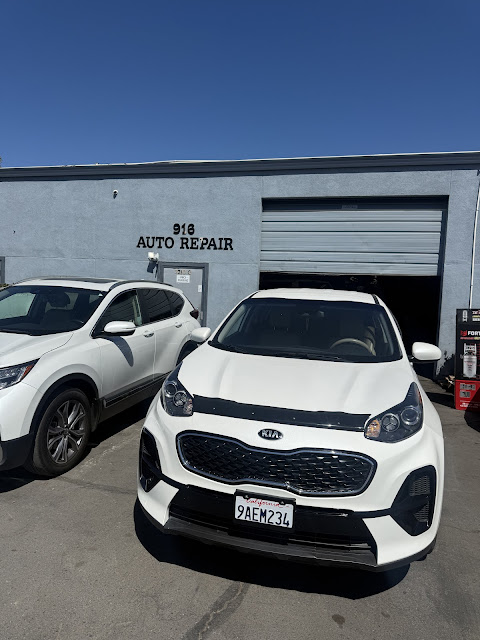
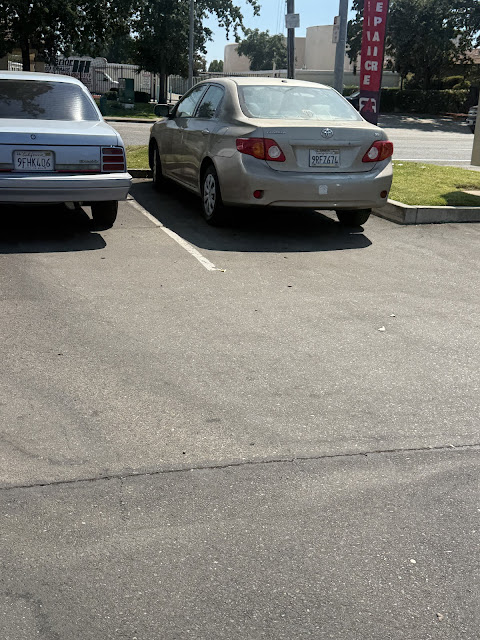
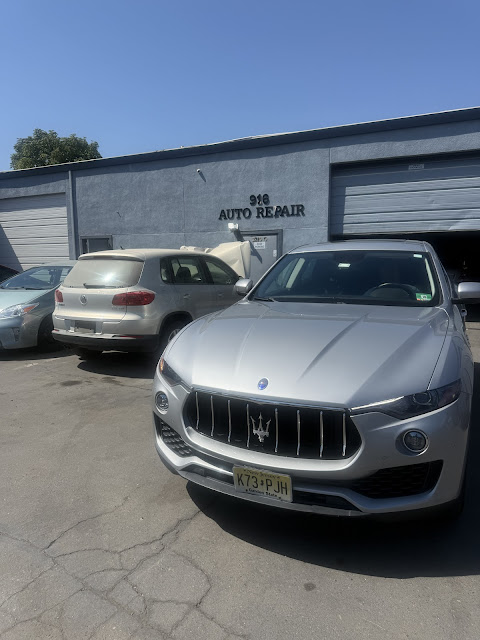
A look at shock and strut jobs we've completed for drivers in Gold River, Folsom, and Fair Oaks.
Real reviews from Gold River and Sacramento area drivers.
"Great price. I will definitely keep coming back for all of my mechanic needs. The owner is honest, kind, and knowledgeable."

Mac Cronin
Recent
"Reasonable price. They were really friendly and really patient regarding my engine troubles. They gave me a quote and helped me find a way to pay. They are the best."

Nichole Rubes
Recent
"I had a great experience at this auto repair shop. They replaced the battery in my BMW quickly and professionally."

Galina Gappoev
Recent
"Great price. The owner and crew were very helpful and hospitable. Went above and beyond. Really affordable prices."

Aleksey Kaznacheyev
Recent
"Reasonable price. They were able to get me in same day and look at my brakes for no charge. They explained clearly what was wrong."

Alex Beskeen
Recent
"Mr. Warren gives 916 Auto raving reviews for their professionalism."

Dr. Roxanne Sanders
Recent
Answers to the questions Gold River drivers ask most about suspension service.
Most shocks and struts last between 50,000 and 100,000 miles, but the rough roads, pothole-heavy stretches, and temperature swings common in the Sacramento valley can accelerate wear. We recommend having your suspension inspected every 50,000 miles or anytime you notice handling changes. Catching worn components early protects tires, steering components, and your overall safety.
Yes — strut replacement changes the suspension geometry of your vehicle, which directly affects wheel alignment angles. Skipping a post-replacement alignment leads to premature and uneven tire wear and can cause your car to pull to one side. We always recommend a four-wheel alignment after strut work to ensure straight tracking and maximum tire life.
Struts are a structural part of the suspension system — they support the vehicle's weight and serve as the mounting point for the steering knuckle. Shocks are separate, non-structural dampers that control ride motion. Whether your vehicle uses shocks or struts (or both) depends on its design. Strut replacement typically costs more because it involves the structural assembly; shock replacement is generally a simpler swap.
Strut replacement is typically priced per axle (front or rear). Costs vary based on the quality tier of parts — economy, OEM-equivalent, or performance — as well as the labor time required for your specific make and model. European vehicles and trucks often take longer than compact cars. We provide upfront written estimates before any work begins so there are no surprises.
Yes. Worn shocks allow the wheel to bounce excessively, which reduces the tire's consistent contact with the road. This creates a distinctive cupped or scalloped wear pattern across the tread face. Beyond the wasted tire life, cupped tires produce a noticeable road noise and further compromise handling. Replacing worn shocks is often the fastest way to stop chronic tire wear.
Yes. We service air suspension systems common on BMW, Mercedes-Benz, Land Rover, and other European vehicles. This includes air bag (air spring) replacement, compressor diagnosis and repair, ride height sensor calibration, and full conversion kits for customers who prefer to switch to a conventional coil spring setup for reduced long-term maintenance costs.
It is not safe to continue driving on leaking shocks. Once the hydraulic fluid escapes, the damper loses its ability to control wheel movement. Stopping distances increase, the vehicle becomes unpredictable during emergency maneuvers, and continued operation can damage other suspension and steering components. If you see oily residue on a shock body, schedule an inspection promptly.
A vague, floating feeling on the highway is a classic sign of worn shock absorbers. When damping capacity deteriorates, the vehicle can't keep the tires firmly planted during lane changes or crosswind gusts. Worn suspension bushings can compound the problem by introducing play in steering linkages. A professional inspection will identify whether it's the shocks, struts, bushings, or a combination causing the instability.
Still have questions?
We're here to help you find the answers.
Book a suspension inspection today. We serve Gold River, Folsom, Fair Oaks, Rancho Cordova, and the greater Sacramento area.
Convenient drop-off and pick-up for Gold River, Folsom, Fair Oaks, and Rancho Cordova customers.
Monday – Saturday: 8:00 AM – 5:00 PM
Sunday: Closed
TAV Construction coordinates inspections, containment planning, documentation, and field communication for property owners, facilities teams, and general contractors across Shock Strut Replacement. That means faster scheduling, cleaner handoffs between trades, and fewer surprises once work begins. We document site conditions carefully, outline the sequence of work before crews mobilize, and keep the project tied to one clear contact path through /contact-us or 662-371-3921. Instead of treating field work as an isolated crew dispatch, Atlas builds the project around a practical sequence: first stabilize the immediate risk, then document conditions, then coordinate the next trade or clearance requirement so the site never stalls because one handoff was missed.
On projects involving environmental response, the difference is usually in the coordination detail rather than the sales language. The teams that keep schedules intact are the teams that isolate unaffected areas early, account for occupancy concerns before equipment arrives, maintain a clean record of moisture readings or compliance observations, and keep owners informed about what happens next. Atlas uses that structure on residential losses, public-sector work, and commercial projects because the goal is the same in each case: move the site from uncertainty to an orderly plan with the fewest possible surprises.
For owners in Shock Strut Replacement, that approach matters because delays rarely stay isolated. A missed containment step can expand demolition scope. A weak documentation trail can slow an insurance file or a regulator review. An unclear sequencing plan can leave restoration contractors or tenants waiting on information that should have been established on day one. Atlas keeps those dependencies visible, confirms responsibilities before crews leave site, and makes sure every phase connects cleanly to the next one.
Atlas approaches documentation as part of field execution, not as an administrative afterthought. Photo records, material observations, equipment logs, and site notes are collected while crews are actively working so property owners, adjusters, facilities teams, and follow-on contractors are looking at the same factual record. That reduces disagreement about scope and makes it easier to justify why a contained work area, a selective demolition decision, or a drying continuation was necessary. It also keeps the project from becoming dependent on memory after the fact, which is where many jobs begin to drift.
Site protection is handled with the same mindset. Atlas is not interested in solving one problem by creating three secondary ones. We account for occupant movement, adjacent finishes, equipment staging, dust or humidity migration, and the order in which materials are removed or preserved. When the work is complete for the day, the site should have a defensible status: contained where it needs to be contained, cleaned where it needs to be cleaned, and clearly documented so the next crew or decision-maker understands the current condition without guesswork.
Clear next steps are part of the deliverable. Owners should know whether they are moving into clearance, structural drying continuation, follow-on restoration, selective demolition, insurance review, or a final closeout phase. That forward visibility is especially important on Colorado projects with weather exposure, tenant turnover, public-sector oversight, or tightly sequenced construction schedules. Atlas keeps the conversation grounded in what is actually required on site, what has already been completed, and what is needed to move the job forward without reopening finished work.
Project updates are framed around site status, not vague progress language. Owners know what changed, what remains open, and what Atlas needs from them to keep work moving.
Containment, material protection, and sequencing are used to keep unaffected areas from becoming part of the job. That protects both schedule and budget.
Every phase should end with a clear record of what was completed and what the next responsible party needs. That is how Atlas reduces rework and stalled handoffs.